Across a single morning’s brief, a set of cultural dispatches tilts toward the tactile and the immediate. At New York Fashion Week, an unusual number of designers offered clothes that seemed to crave wilderness and open air — the runway framed as a collective urge to “log off,” as reported by the Washington Post. Beyond the catwalk, a different kind of counteraction is unfolding: in at least 36 states, people are removing license-plate cameras themselves rather than waiting on city councils to regulate them, according to The Conversation.
On campuses, the push-and-pull is intellectual. Universities that spent three years encouraging students to adopt AI now face studies indicating it may dull thinking, and they appear uncertain about their next move, the New York Times reports. The through-line is a desire to pull back and touch something real, whether in garments that nod to the outside world or in a reassessment of tools that promise efficiency at a cognitive cost.
Stages, buildings, and the uses of public life
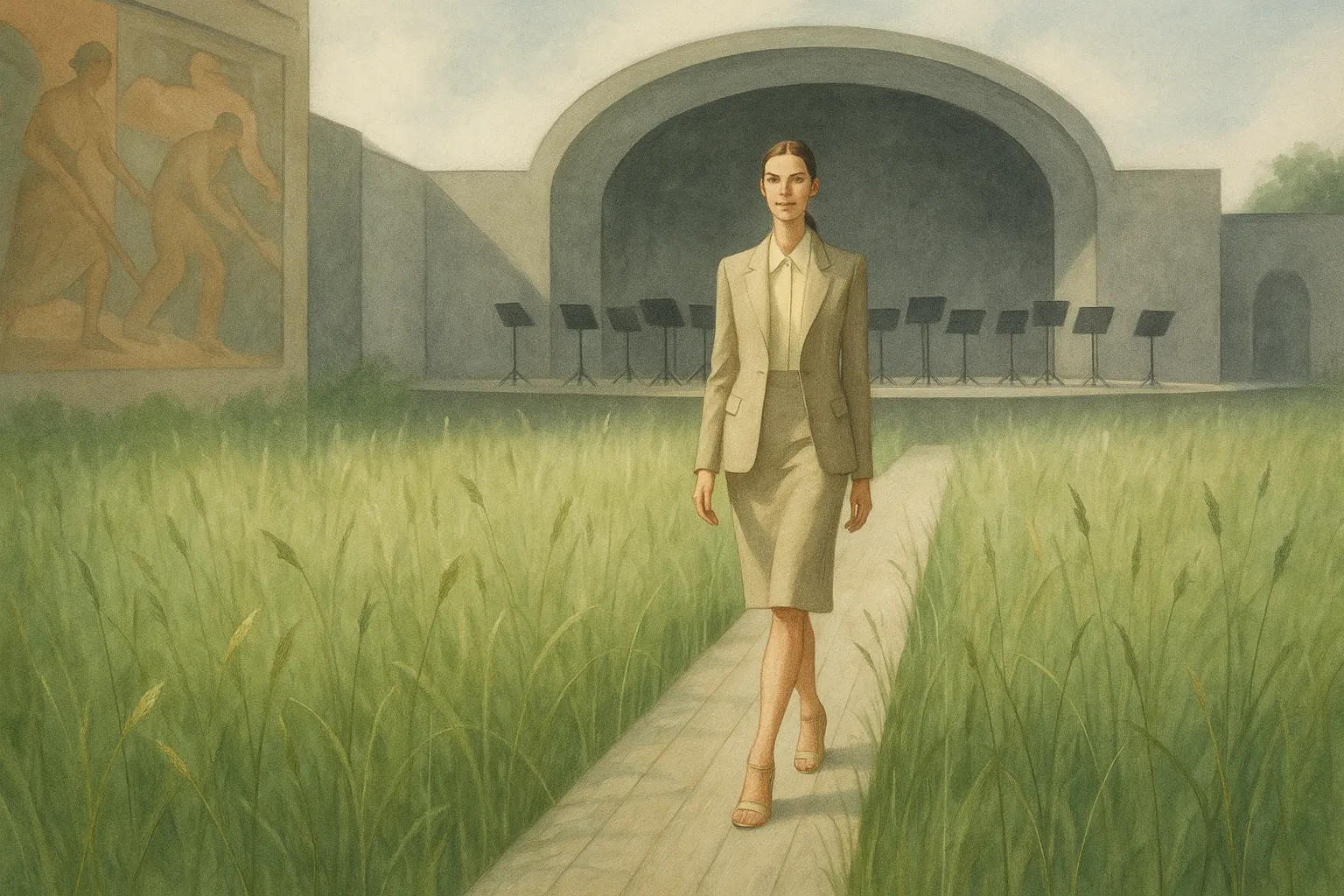
In the performing arts, Philip Kennicott argues that the “elite” caricature of the Kennedy Center has it backwards — that it was in fact “the most authentically populist major arts center in the country,” per the Washington Post. Meanwhile, a federal judge has ordered 30 days’ notice before demolition proceeds, according to AP. And in a separate preservation turn, the New Deal’s “Sistine Chapel,” the Cohen Building murals, may find an unlikely savior in a Freedom Caucus Republican, reports The New Republic.
Labor tensions eased on another front: San Francisco Opera and its orchestra reached a deal, ending the strike that had darkened opening week, the San Francisco Chronicle reports. The resolution puts music-making back on the schedule after an unsettled start.
A loss in music and theater
Duncan Sheik, who moved past MTV heartthrob status by writing Spring Awakening, has died at 56, according to the New York Times. His passing lands alongside a day of stories that, taken together, register a broader recalibration — from fashion’s pastoral turn to hard questions about technology, surveillance, and the civic role of cultural spaces.
Vía artsjournal.com