The day’s cultural news forms a single thread: how we know what’s real, who stands behind it, and where audiences still find trust. Across reports from Nieman Lab, The Atlantic, Pew Research, the Los Angeles Times, Deadline, and The New York Times, the stakes of verification stretch from digital images to classrooms, festivals, stages, and even the surf.
Verification, institutions, and public mood
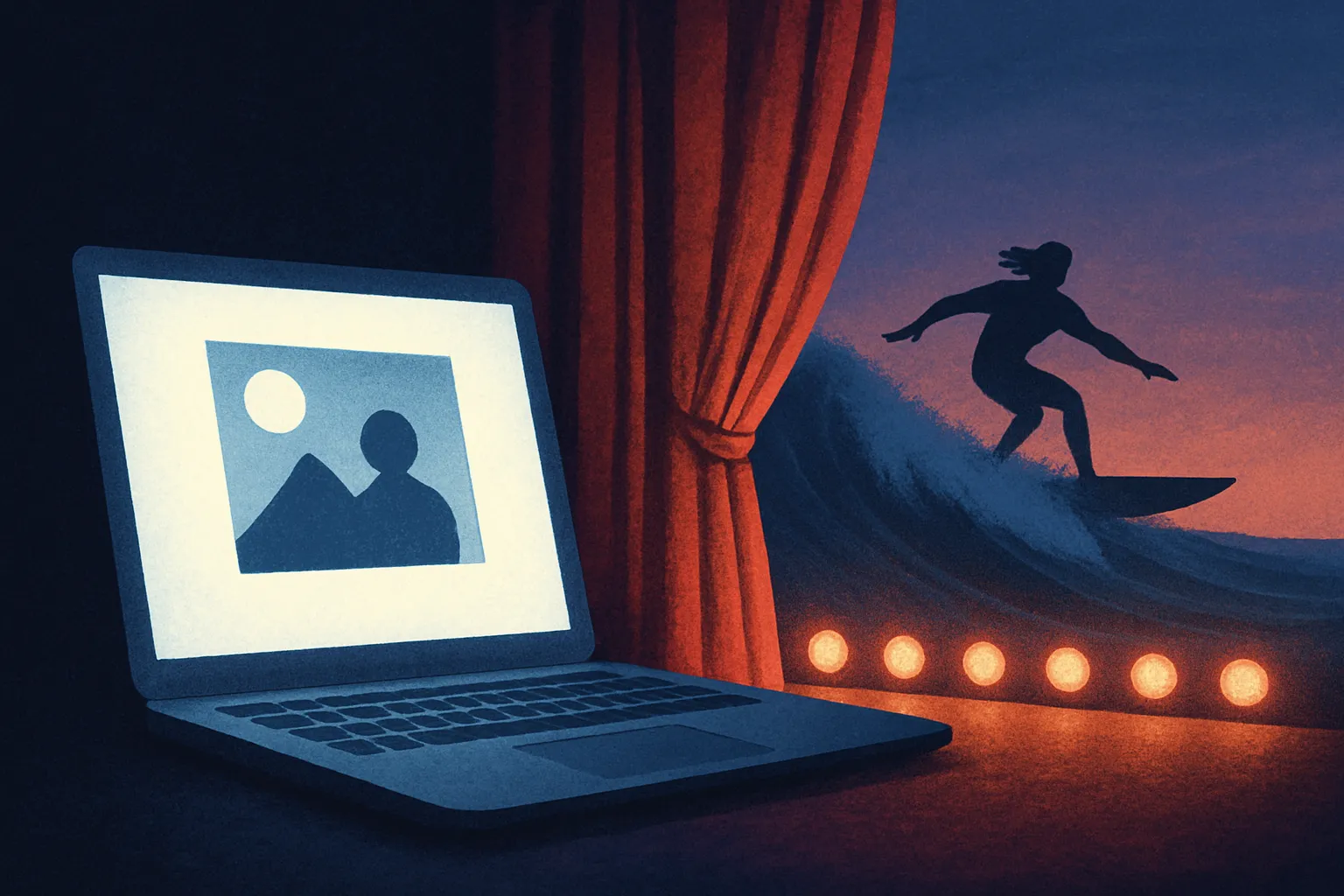
Google has built a tool to help fact-checkers evaluate images by indicating whether they are AI-made, flagging alterations, and locating other instances where the same image appears (Nieman Lab). On the academic side, Harvard is closing its writing center; according to The Atlantic, some faculty view the timing as consistent with the university’s enthusiasm for AI on campus. Meanwhile, Pew Research reports a shift in sentiment: 52% of Americans today say they are more worried than excited about AI, up from 37% in 2021.
Read together, these developments outline a terrain where authorship and accountability are being redefined. Tools rise to verify provenance while a traditional venue for learning craft and credit—the university writing center—shuts its doors. Public unease, captured in those Pew numbers, tracks not only capability but the chain of responsibility for what is made and circulated.
When events and performance test trust
Elsewhere, the fragility of confidence was on blunt display. The Los Angeles Times reports that the first L.A. Jazz Festival collapsed on opening day, infuriating the very scene that had lent it credibility. In contrast, Deadline notes that Ragtime closed as the highest-grossing production in Lincoln Center Theater’s history—an emphatic reminder that a full house can still be the clearest form of endorsement.
And then there is perception tuned by critics. In The New York Times, Gia Kourlas watched a champion surfer and saw dance—an observation that quietly widens the perimeter of choreography. Trust and authorship, this suggests, are not only administrative or technological concerns; they are also matters of attention, context, and the rooms (or oceans) where work is witnessed.
Taken together, these stories ask an old question in a new register: who vouches for the work now? The answers range from software and institutional policy to live audiences and critics—each staking a claim on what counts, who made it, and who stands behind it.
Vía artsjournal.com